 Oldsmar Siding
 Deck Repair for Westchase-Area Homes Near Oldsmar
Decks in the greater Oldsmar area, including the Westchase community, take a beating that most homeowners never see coming. It isn't one dramatic event that ruins a deck — it's the slow accumulation of sun, humidity, wind, and rain working on the same boards and fasteners year after year. By the time a problem is visible from the top, there's usually more going on underneath. Our crew repairs decks throughout this part of Pinellas County and the surrounding communities, and we've learned that a "quick fix" done without understanding the local climate almost always comes back as a bigger repair a year or two later.
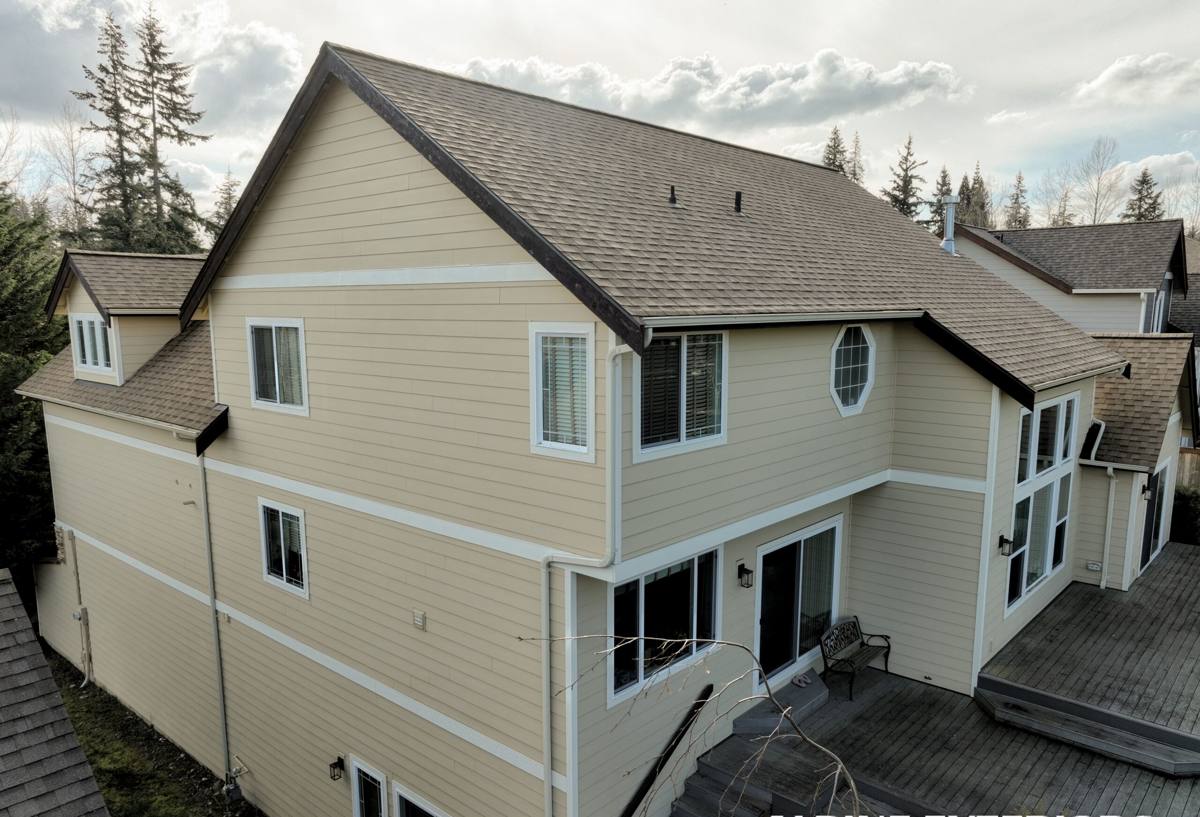
What This Climate Does to a Deck
West-central Florida is not a gentle environment for outdoor wood or composite structures. A few conditions matter more than people expect:
- Intense, year-round UV breaks down wood fibers and fades or chalks composite surfaces, making boards brittle and prone to splitting or cupping.
- Wind-driven rain during summer storms and hurricane season pushes moisture into joints, fastener holes, and end grain that a light rain would never reach.
- Salt-tinged coastal air, even well inland from the immediate coastline, accelerates corrosion on lower-grade fasteners and metal connectors.
- Hurricane-force wind gusts put repeated racking stress on ledger boards, railing posts, and stair stringers — the connections that hold a deck to the house and to the ground.
None of these forces act alone. Sun-dried, cracked wood absorbs wind-driven rain faster than sound wood. Corroding fasteners loosen under wind load. A repair that only addresses the surface symptom, without accounting for how these forces compound, tends to fail again quickly.
Signs Your Deck Needs Repair, Not Just a Pressure Wash
Homeowners often try to solve deck problems with cleaning or a coat of stain. Sometimes that's genuinely enough. Other times it masks a structural issue that's getting worse underneath. Here's what should prompt a real inspection rather than a cosmetic fix:
- Boards that feel soft, spongy, or flex noticeably when you walk across them
- Visible splitting, cupping, or checking along the length of deck boards
- Railings or posts that wiggle or feel less rigid than they used to
- Rust streaks around screw heads or bolt connections
- Gaps opening up where the deck ledger meets the house
- Stairs that feel bouncy or uneven underfoot
- Standing water that doesn't drain between boards after rain
- A musty smell coming from underneath the deck
Any one of these on its own might be minor. Several together usually mean moisture has been working its way into the structure for a while.
What a Correct Deck Repair Actually Involves
Inspecting Before Assuming
A proper repair starts with getting under the deck, not just walking the surface. We check the ledger board attachment to the house, the condition of joists and beams, post bases where they meet footings, and the fasteners holding it all together. Surface damage is often the smallest part of the problem — the framing underneath tells the real story.
Matching the Fix to the Cause
Replacing a rotted board without addressing why water pooled there in the first place just buys time. If a joist is compromised from years of trapped moisture, sistering in new lumber or replacing the section correctly matters more than how the new board looks on day one. Fasteners and hardware need to match the exposure level — coastal and near-coastal Florida conditions call for corrosion-resistant connectors, not standard interior-grade hardware.
Getting the Details Right
Small details make the difference between a repair that lasts and one that doesn't: proper flashing where the ledger meets the house, gapping between boards for drainage and expansion, and fastener placement that won't split aging wood around it. These are the things that are invisible once the job is finished but determine how long it holds up.
Wood vs. Composite: How Repair Approaches Differ
Whether your deck is natural wood or composite decking changes how we approach a repair. Both materials are common in this area, and both have trade-offs worth understanding before deciding how to fix a problem.
| Factor | Wood Decking | Composite Decking |
|---|---|---|
| Typical failure mode | Rot, splitting, splintering, fastener pull-through | Surface fading/chalking, edge swelling if water intrudes, occasional board sag over long spans |
| Repair approach | Board or section replacement, sistering damaged framing, refinishing exposed wood | Board replacement matched to existing color batch where possible; framing checked independently since composite hides moisture longer |
| Maintenance after repair | Periodic sealing or staining to protect against UV and moisture | Lower ongoing maintenance, but original color matching gets harder as boards age and fade unevenly |
| Framing underneath | Usually pressure-treated wood, needs its own periodic inspection | Same wood or metal framing as wood decks — composite boards do not protect the structure below them |
A common misconception is that composite decking is maintenance-free. The boards themselves resist rot better than wood, but the framing underneath is often still wood and still needs the same structural attention. We don't treat composite surfaces as a reason to skip inspecting what's underneath.
What Affects the Cost of a Deck Repair
Every deck repair is different, but a few factors consistently drive whether a job is a modest fix or a more involved one.
| Factor | Why It Matters |
|---|---|
| Structural vs. cosmetic damage | Framing, ledger, or post repairs require more labor and carry more importance than surface board replacement |
| Extent of moisture intrusion | Isolated rot is a targeted fix; widespread moisture damage often means opening up larger sections to find the full extent |
| Decking material | Matching existing wood species or composite color/profile affects material sourcing and time |
| Accessibility | Decks with limited under-deck access or elevated designs take longer to inspect and repair safely |
| Code and permit requirements | Structural repairs, especially to ledgers or footings, may require permitting and inspection |
Repair vs. Replacement: How We Decide
Not every damaged deck needs to be torn out and rebuilt, and not every deck is worth patching indefinitely. We look at the whole structure before recommending either path:
- How much of the framing is sound versus compromised
- Whether the ledger connection to the house is secure and properly flashed
- The age and remaining service life of the decking material itself
- Whether repeated repairs are starting to cost more, over time, than a rebuild would
- Any code changes since the deck was originally built that a rebuild would need to meet
We'll tell you honestly when a repair makes sense and when it doesn't. A deck with a few isolated problem areas and sound framing is usually a good repair candidate. A deck with widespread rot at multiple structural points is often better served by rebuilding rather than chasing problems section by section.
Our Deck Repair Process
- On-site inspection — we walk the deck surface and get underneath to check framing, ledger, posts, and footings.
- Honest assessment — we explain what we found, what's causing it, and what repair options actually make sense for your deck.
- Scope and plan — we outline the specific repair, including any structural work, board replacement, and hardware upgrades needed.
- Repair work — we address the cause first (moisture source, failed flashing, corroded hardware), then the visible damage.
- Final check — we walk the deck with you, confirm everything is solid, and go over any maintenance recommendations.
Why It Matters That We Already Work in This Area
A crew that regularly works decks in and around Westchase and Oldsmar has already seen how local conditions play out over years, not just in a single visit. We know which failure patterns show up from wind-driven rain versus which come from UV breakdown, and we know what corrosion-resistant hardware actually holds up in this humidity and salt-air exposure rather than just what's cheapest at first install. That local pattern recognition means fewer surprises once we open up a deck and fewer repairs that need to be redone within a year or two.
We also understand the practical side of working in established residential communities — respecting property lines, keeping work areas clean, and getting in and out efficiently without disrupting your household longer than necessary.
Protecting Your Deck After the Repair
A repair holds up longest when it's paired with basic upkeep suited to this climate:
- Reseal or restain exposed wood on the schedule appropriate for your product, not just when it looks faded
- Keep gutters and downspouts clear so runoff isn't dumping extra water onto or under the deck
- Sweep debris out from between boards so moisture doesn't sit trapped against the wood
- Check railings and stair connections periodically for looseness, especially after major storms
- Have the structure looked at every couple of years, even if nothing looks obviously wrong on the surface
If your deck in Westchase or the surrounding Oldsmar area is showing any of the warning signs above — or you just want an honest opinion on its condition — we're happy to come take a look. Reach out for a free, no-pressure estimate using the form below.