 Oldsmar Siding
 Windows Built for a Westchase Summer, Not a Showroom
Westchase homes take a specific kind of beating that a lot of national window brands never design around. You've got long stretches of intense, direct UV that breaks down seals and yellows frames from the inside out. You've got afternoon thunderstorms that drive rain sideways into window tracks under wind pressure, not just straight down. And because you're close enough to Tampa Bay and the Gulf, salt-laden air is slowly working on any hardware, screws, or metal components that aren't rated for it. A window that's "energy-efficient" on a spec sheet written for a mild climate can still underperform here if it wasn't matched to Pinellas County conditions.
When we talk about energy-efficient windows for Westchase specifically, we mean windows selected and installed to do three jobs at once: keep conditioned air inside so your HVAC system isn't fighting a losing battle all summer, keep wind-driven rain and pressure out during storms, and hold up physically to years of UV and salt exposure without the frame warping, the seal failing, or the hardware corroding. Get any one of those wrong and the "efficient" part stops mattering — a window that leaks air around a warped frame, or that lets moisture behind the wall, ends up costing you more than the utility bill it was supposed to lower.
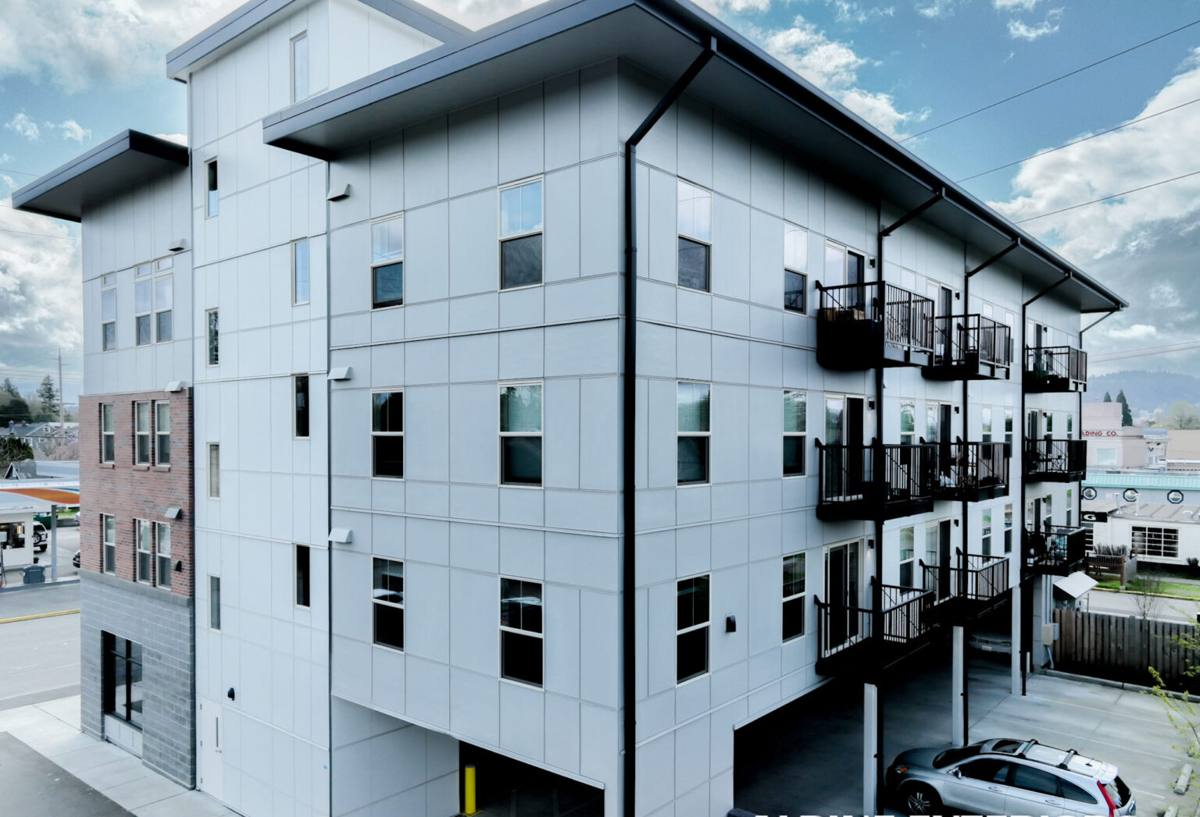
The Building Code Baseline You're Already Paying For
Pinellas County sits outside Florida's official High-Velocity Hurricane Zone (that designation is specific to Miami-Dade and Broward), but it still falls under the Florida Building Code's wind-borne debris and pressure requirements for our region. In practice that means replacement windows in Westchase have to meet minimum wind load and water infiltration standards whether or not you ever add hurricane shutters. Most homeowners don't realize this is already baked into a compliant installation — you're not choosing between "efficient" and "code-compliant," you need both at the same time, and the good news is that products doing this correctly are usually the same products delivering the best energy performance.
This matters for permitting too. A legitimate window replacement in unincorporated Westchase or the surrounding Oldsmar area requires a permit and inspection tied to product approval numbers (NOA or Florida Product Approval listings) for the specific window model and its rated wind pressure. Skipping this step to save time is one of the more common ways homeowners end up with a window that looks fine but won't hold up in a real storm, and can complicate insurance or resale later.
What This Means for Your Project
- Every window we install carries a Florida Product Approval or Miami-Dade NOA rating appropriate for your home's wind exposure.
- Permits and inspections are pulled as part of the job, not treated as optional paperwork.
- Installation details (flashing, sealant, anchoring) are what actually earn that rating in real use — a compliant window installed incorrectly is not a compliant installation.
What Actually Makes a Window Energy-Efficient
"Energy-efficient" gets used loosely in this industry, so it's worth breaking down what the numbers on a window's NFRC label actually mean for a Gulf coast house:
- U-factor — measures how much heat transfers through the window. Lower is better for keeping cooled air in. For our climate, this matters more in the evening and shoulder seasons than most people expect.
- SHGC (Solar Heat Gain Coefficient) — measures how much solar radiant heat passes through the glass. In Florida, this is usually the number that matters most. A low SHGC keeps the sun's heat from turning your window into a radiator, which is the single biggest factor in west- and south-facing room comfort here.
- Low-E coatings — a microscopically thin metallic layer on the glass that reflects infrared heat while still letting visible light through. Modern Low-E coatings are what let you get natural light without the greenhouse effect.
- Gas fill and spacers — argon or krypton gas between panes slows heat transfer compared to plain air, and a warm-edge spacer (instead of older aluminum spacers) reduces condensation and heat loss at the edge of the glass, which is often the weakest point in an insulated glass unit.
None of this is exotic — it's standard on quality window lines. The mistake we see most often isn't the glass package, it's homeowners assuming any double-pane window automatically delivers these benefits. The performance numbers vary a lot between manufacturers and even between product lines from the same manufacturer, so it's worth asking for the actual NFRC label, not just a general claim of "energy-efficient."
Frame Material: The Trade-Off Nobody Explains Well
The frame matters as much as the glass, especially with our UV and humidity. Here's how the common options actually compare for a Westchase installation:
| Frame Material | UV / Heat Behavior | Salt Air Durability | Relative Cost |
|---|---|---|---|
| Vinyl | Good — modern UV-stabilized vinyl resists yellowing and warping; dark colors can absorb more heat and expand | Good — no metal to corrode | Lower |
| Aluminum | Fair — conducts heat, so it works against the insulating goal unless thermally broken | Requires coatings/hardware rated for coastal exposure or corrosion risk increases | Mid |
| Fiberglass | Excellent — very stable dimensionally, minimal expansion/contraction, holds paint and color well | Excellent | Higher |
| Wood / wood-clad | Requires more maintenance in high UV and humidity; cladding helps but seams need monitoring | Weakest without diligent upkeep | Higher |
For most Westchase homes, we steer people toward quality vinyl or fiberglass because they hold up to sun and salt with the least ongoing maintenance. Aluminum can still make sense architecturally (large sightlines, certain modern styles) but it needs a thermal break to avoid undercutting the energy benefit, and hardware should be corrosion-resistant given the coastal air.
Impact-Rated Glass: Worth Understanding Even If You Don't Choose It
A lot of homeowners ask us whether they need full impact windows or can rely on shutters plus standard energy-efficient glass. Both are legitimate approaches, and it comes down to budget, how often you want to deploy shutters, and whether you value the year-round noise reduction and UV blocking that laminated impact glass provides even outside of storm season.
Impact-rated windows use a laminated interlayer (similar concept to a windshield) that keeps the glass intact under impact instead of shattering outward. As a side benefit, that same laminated construction typically blocks more UV and reduces outside noise noticeably — something worth factoring in even if wind protection isn't your only concern. The trade-off is upfront cost and, on some product lines, slightly thicker sightlines. Non-impact energy-efficient windows paired with code-compliant shutters can meet the same wind-borne debris requirement at a lower window cost, but require you to actually deploy the shutters ahead of a storm, and don't deliver the daily UV/noise benefit.
We won't push one option as objectively "better" — we'll walk through your specific exposure, budget, and how you actually plan to use the house, and size the recommendation to that.
How We Approach a Westchase Window Project
1. On-Site Assessment
We look at each window opening individually — orientation (west- and south-facing rooms get the most solar heat gain), current frame condition, signs of water intrusion or rot in the surrounding wall, and existing flashing. Two windows on the same house can have very different problems.
2. Product Selection
We walk through U-factor, SHGC, frame material, and impact-versus-standard options against your budget and priorities — comfort in specific rooms, storm prep routine, resale plans, or simply lowering the summer power bill.
3. Permitting
We pull the required permit with the correct product approval documentation before installation begins, and schedule the inspection as part of the project timeline, not as an afterthought.
4. Removal and Flashing
This step is where most window failures actually originate — not from the window itself, but from poor flashing and sealant work during installation letting water behind the wall. We install proper flashing and weather-resistant barrier integration at every opening, not just caulk over the gap.
5. Installation and Sealing
Windows are set, shimmed, and anchored to the rated specification, then sealed with sealants appropriate for exterior, UV-exposed, coastal conditions — not a generic interior caulk that will fail in a season or two.
6. Final Inspection and Walkthrough
We confirm the permitted inspection passes and walk the homeowner through operation, cleaning recommendations, and warranty documentation.
Signs Your Current Windows Are Already Costing You Money
Not every window problem is obvious from inside the house. A few things worth checking before deciding whether repair or replacement makes sense:
- Condensation or fogging between the panes — this means the seal on the insulated glass unit has failed and the gas fill is gone; it can't be fixed, only replaced.
- Frames that feel warm to the touch on a hot afternoon, especially on west-facing rooms.
- Visible daylight or a draft felt around the frame when the AC is running.
- Difficulty opening, closing, or locking — often a sign the frame has shifted or warped.
- Chalky, yellowed, or brittle-feeling vinyl, which usually means UV degradation has been happening for years.
- Rot or soft wood in the surrounding trim, which points to water intrusion around the window opening, not just the glass.
Choosing a Window Contractor in This Area
Because window replacement touches both energy performance and structural wind/water protection, the contractor matters as much as the product. A few things worth confirming before you sign anything:
- They pull permits and provide the product's Florida Product Approval or NOA documentation — not just a manufacturer brochure.
- They can explain the actual NFRC U-factor and SHGC numbers for the specific product line, not just a general "energy-efficient" label.
- They talk about flashing and installation detail, not only the window unit itself.
- They've worked in this area long enough to know how local exposure (salt air, wind direction, sun orientation) affects the recommendation.
- Warranty terms are in writing, covering both the product and the labor/installation separately.
What a Project Like This Typically Involves
Every home is different, but window projects generally break down into a short assessment and quoting phase, a permitting lead time that depends on the county's current processing schedule, and an installation window that's usually a matter of days for a typical whole-house replacement, longer for larger openings or full-house jobs with multiple crews staged. We'll give you a realistic timeline specific to your project once we've seen the openings and scope, rather than a generic estimate that doesn't account for your home.
If your windows are original to the house, showing UV wear, fogging, or just costing you more on cooling than they should, we're happy to come take a look. A free, no-pressure estimate lets you see exactly what's involved and what it would cost before you commit to anything — just fill out the form below.